In this post I am sharing some reflections from a recent coaching assignment in relation to thriving and unlearning. (Note – I have kept all information non-specific for reasons of confidentiality.)
My client and I worked together on some very specific issues that they were navigating during a time of uncertainty and disruption. However, as with so many people that I have been working with recently, they also valued taking time out the day-to-day to have adult conversations to discuss their context and their response to the situations they were facing.
As our conversations developed, and as we explored some of their challenges further, we were able to dig deeper, and in particular probe what ‘thriving’ meant for them. As we did this, they began to identify what was important to them now, and crucially, that this was different from what had been important to them earlier in their career.
Initially, it was very unsettling for them to discover; some of their previous thinking had helped them in their development and career growth and was aligned with their professional identity. However, as we continued to explore over time, and as they reflected further, it was apparent that for a variety of very good reasons, things had changed for them. They became comfortable in recognising that it was absolutely okay to rethink what it meant for them to thrive.
This was by no means easy for my client, but as we concluded our final coaching session, they clearly articulated the benefit of unlearning some elements of their past self and they felt more able to approach the still uncertain future with confidence.
This example highlights some important points for me…
1. Do we know what enables us to thrive?
According to research cited by Marcus Buckingham in Love+Work, people who are thriving answer ‘strongly agree’ to the following questions:
- Do you have a chance to play to your strengths every day?
- Were you excited to go to work every day last week?
According to Buckingham we can learn to identify those activities that excite us, pinpoint those situations or outcome that you love, and then learn to weave them into what we do, every day.
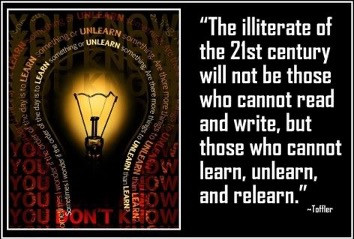
2. In order to thrive in a disrupted and turbulent world, we almost certainly need to do some unlearning. Unlearning is one of the sub-dimensions of the AQai - Adaptability Assessments & Coaching model of Adaptability.
Adam Grant, in Think Again discusses the ‘joy of being wrong’. With regards to unlearning aspects of our past identity he writes that:
“Over time, rethinking who you are appears to be mentally healthy – as long as you can tell a coherent story about how got from the past to the present you.”
So, my challenge to you is – to what extent are you thriving, and what might you need to unlearn in order thrive more?